
Turn your beekeeping into clear, predictable plans
Online calculators, planners and playbooks that turn scattered beekeeping advice into clear, actionable plans for your apiary.
No account required. Built by working beekeepers.
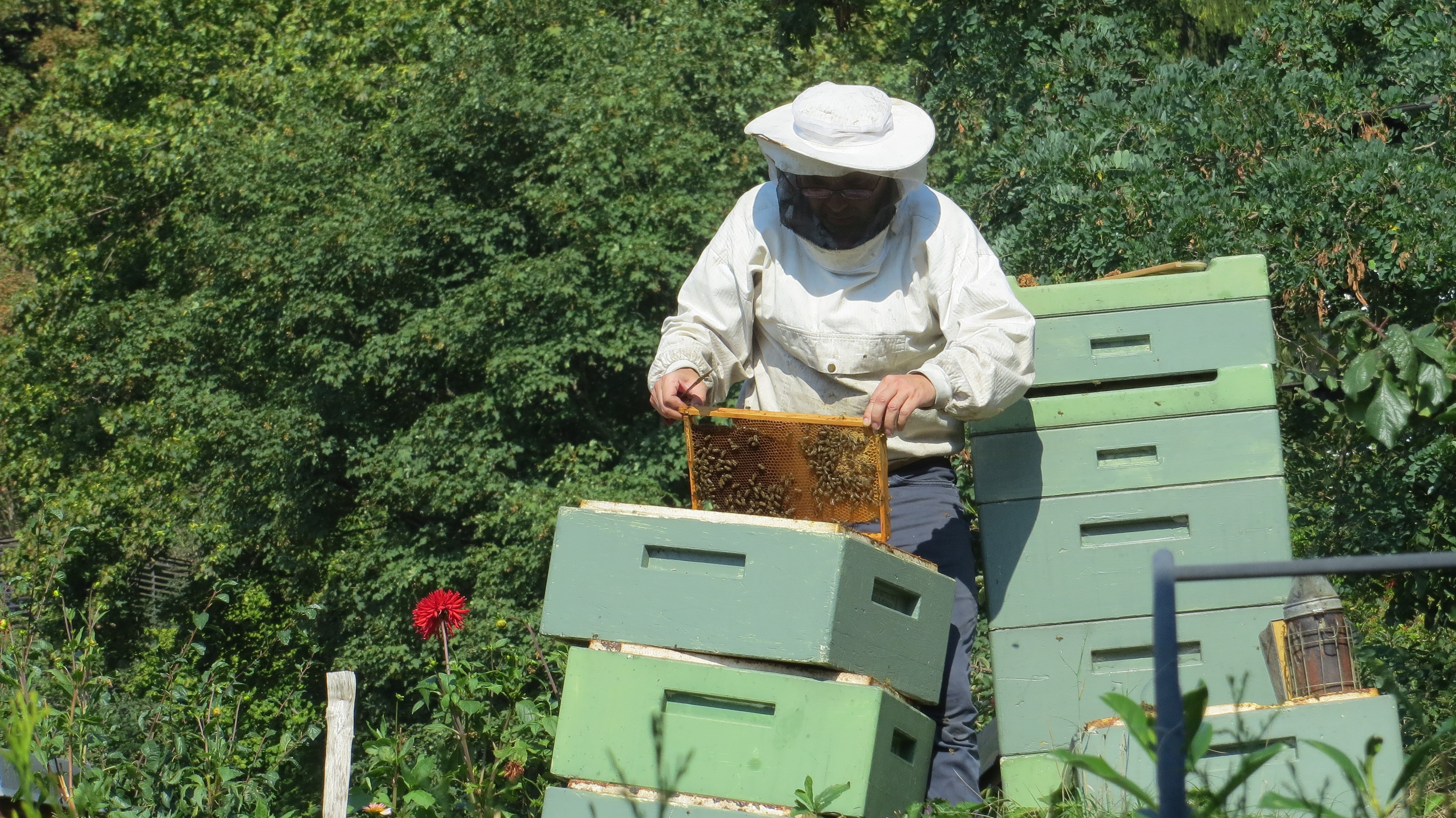
Beekeeping tools that do the thinking with you
Bee sugar syrup calculator & feeding planner
Calculate exact sugar syrup ratios and volumes for your colonies and generate a simple feeding plan tailored to your season and climate.
First-year beekeeping season planner
Generate a month-by-month first-year beekeeping plan tailored to your climate, start date and number of hives.
Hive inspection checklist generator
Generate simple, focused hive inspection checklists based on season, experience level and inspection goal.
Varroa management planner for 0–50 hives
Build a season-long varroa management plan for your 0–50 hive apiary based on your climate, forage season and preferred methods.
Playbooks & PDFs you can print and keep
Some problems need more than a calculator. These playbooks combine field experience with diagrams, tables and checklists you can keep in the apiary.
First-year beekeeping sample checklist
A free, printable overview for brand-new beekeepers.
First-year beekeeping playbook
Detailed month-by-month guide for your first 12-18 months.
Varroa management playbook
Practical strategies, not product advertising. Built for 0-50 hives.
Who this is for
New beekeepers (0-3 hives)
- Starting with a package, nuc or first full hive.
- Want clear steps instead of conflicting advice.
- Main goal: healthy colonies that survive winter.
Growing hobbyists (4-20 hives)
- Past the beginner stage, things are getting busy.
- Plan feeding, varroa, splits and harvests with less chaos.
- Goal: reliable crops and fewer surprises.
Small apiaries (20-50 hives)
- Close to or already at side-business scale.
- Need repeatable systems, not one-off decisions.
- Goal: manage risk and workload across the yard.
Why trust these tools?
Most beekeeping advice lives in books, forums and long videos. Much of it is excellent - but it’s scattered, outdated or not written for your climate. These tools and playbooks are:
- Built by professional beekeepers in northern Europe.
- Focused on 0-50 hive apiaries in temperate and cold climates.
- Practical, not flashy.
We’re not trying to replace your local club or mentor - we’re giving you planning tools that make their advice easier to apply.
Latest from the blog
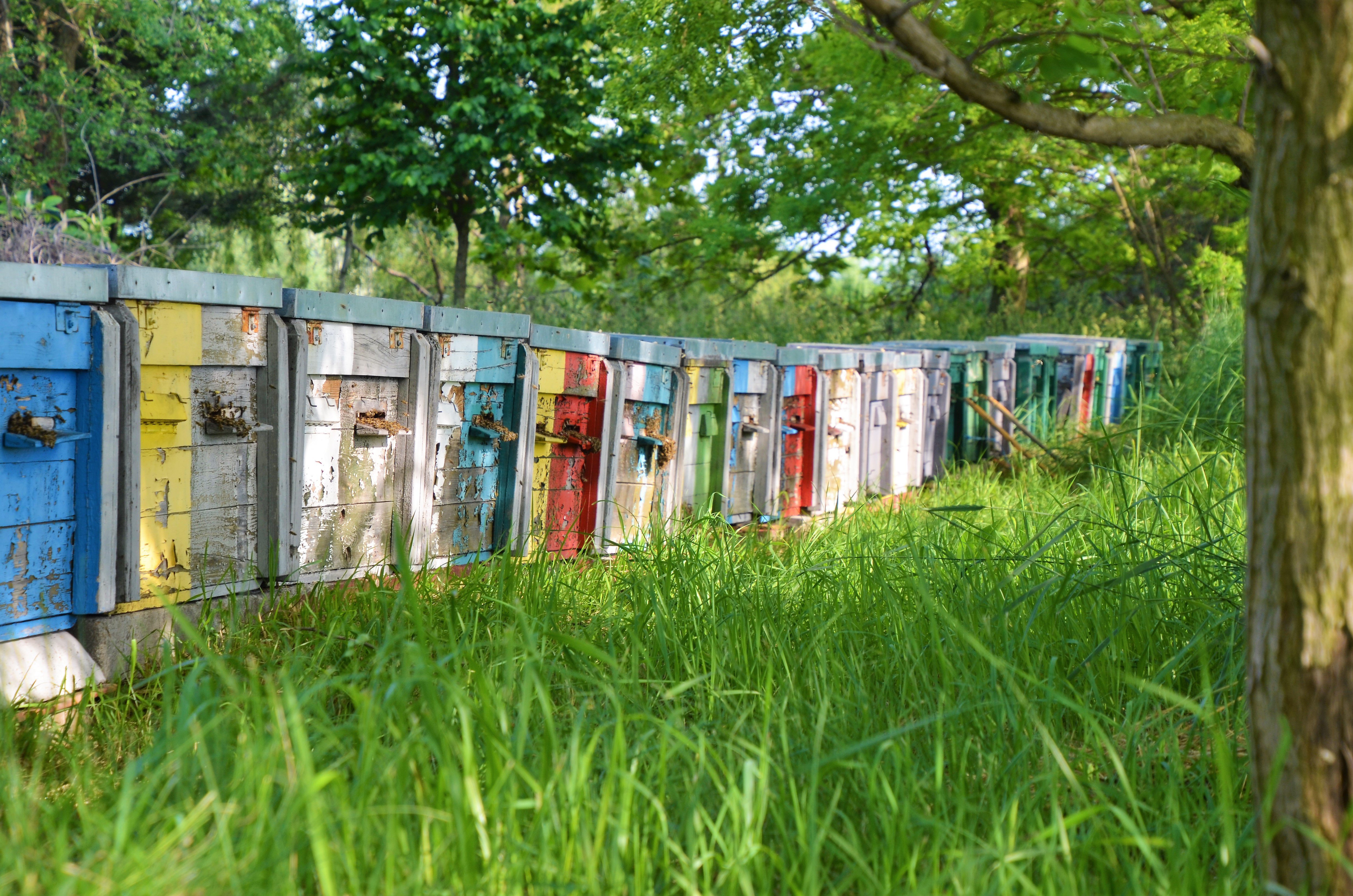
First year beekeeping calendar explained
The first-year beekeeping calendar is where good intentions meet real weather, real bees, and real life. If you feel behind in your first season, you are not doing it wrong, you are doing beekeeping. This first-year beekeeping calendar is written
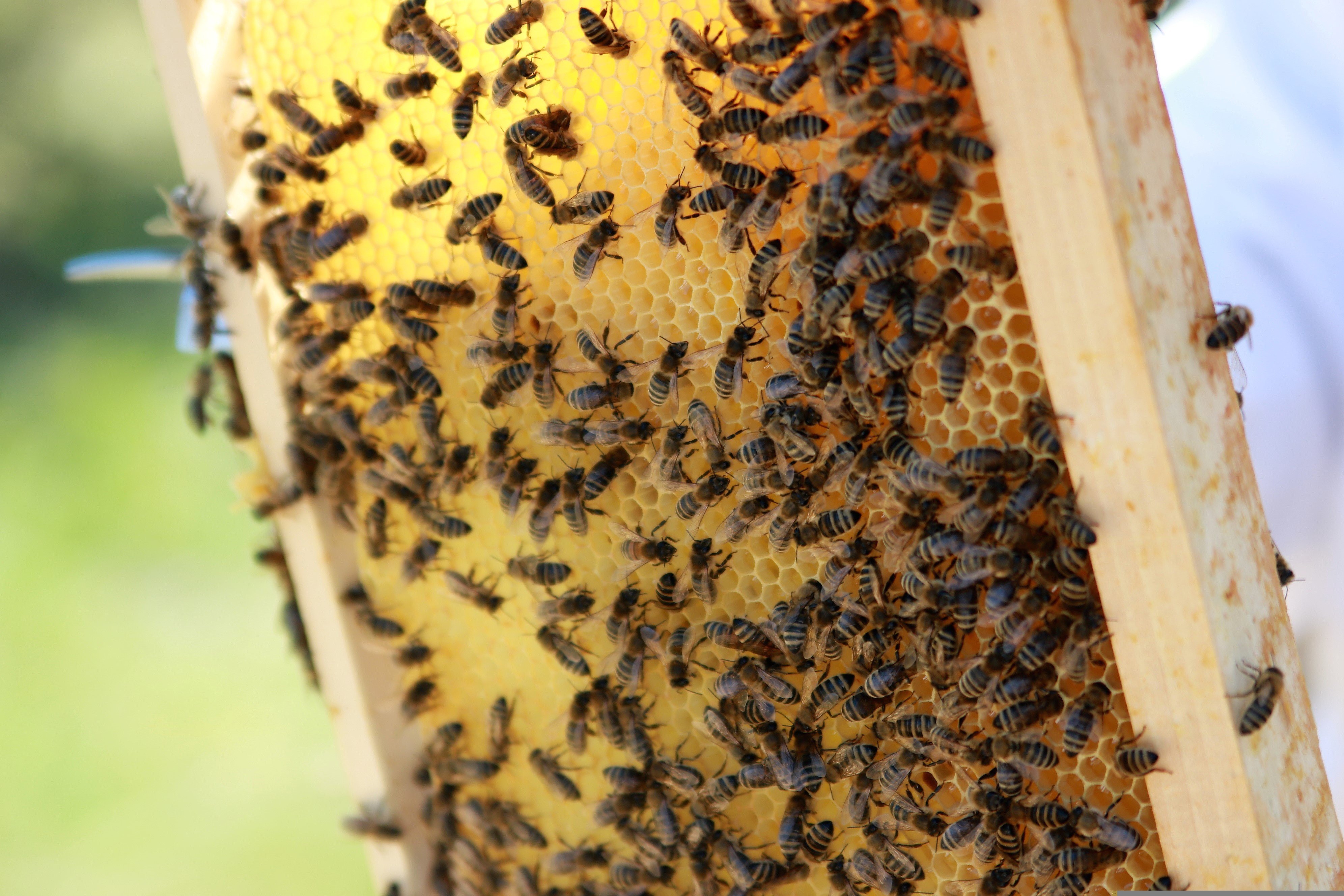
How much honey should you leave for winter?
“How much honey should you leave for winter?” is one of those questions that sounds simple until you’ve watched a colony starve in March. How much honey should you leave for winter depends on your climate, your hive setup, and
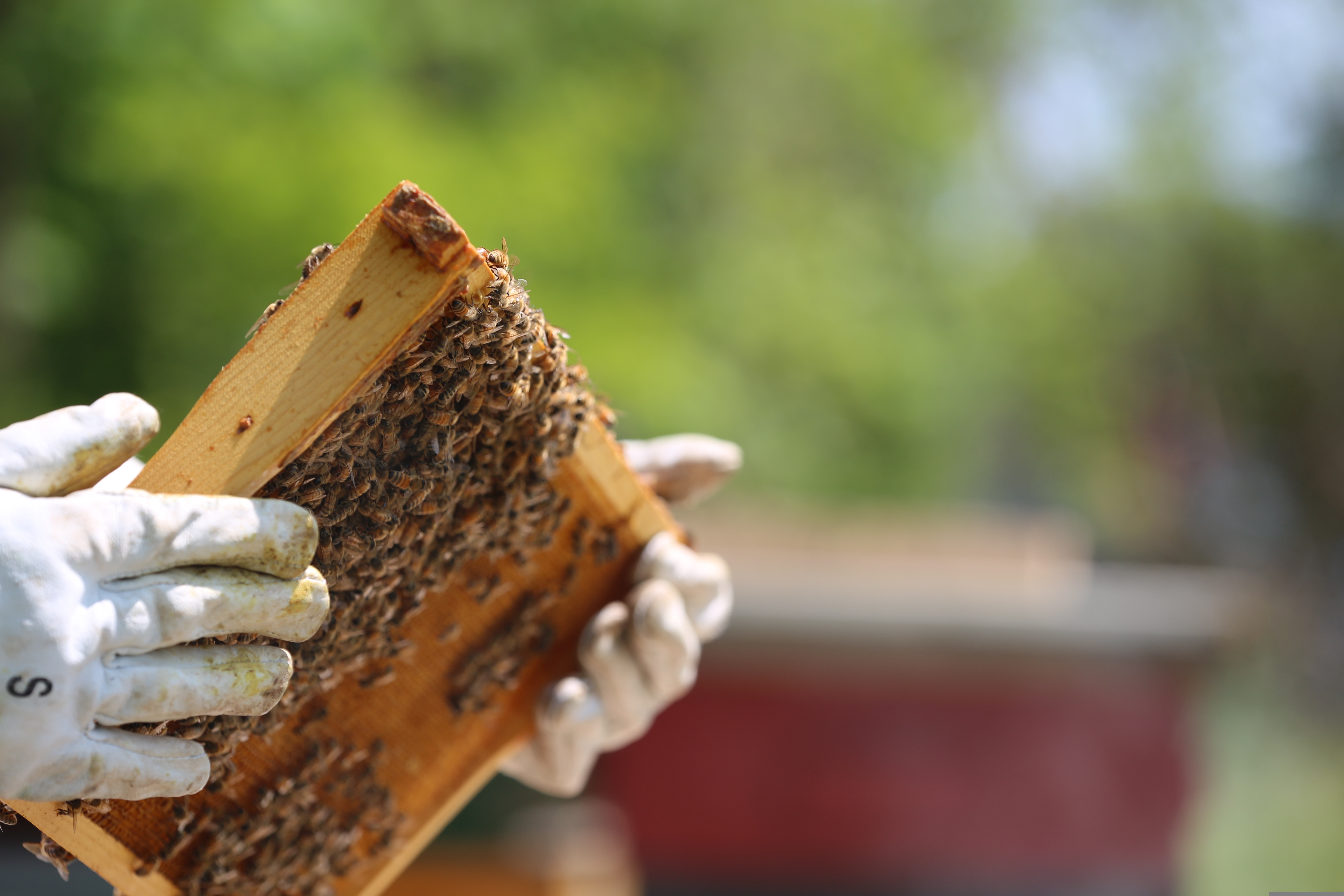
Varroa monitoring basics for small apiaries
Varroa monitoring is the difference between wintering bees and watching them fall apart in late summer. If you keep 0–50 hives in a temperate or cold climate, varroa monitoring needs to be a routine, not a panic move after you
Get the first-year checklist & updates on new tools
We send practical beekeeping resources a few times per season - checklists, planning tips and new tools. No spam.